Concerning Bamboo Flooring

When considering flooring, we consider a variety of elements, including care, appearance, and durability. Bamboo flooring is the best option for you if you care about the environment and want to make sure that the flooring you choose in your home is as natural as possible.

This is the most recent flooring style and research. If you don’t want to utilize flooring made of chemically processed materials, bamboo is the most environmentally friendly choice. All varieties of bamboo flooring are adaptable.

After the new bamboo has been polished and smoothed, manufacturers create bamboo flooring. A speedier floor design is also available to you with bamboo flooring. Before using other wood as flooring, it must be chopped and undergo a great deal of processing. However, bamboo actually moves more quickly because of its thin and tall construction, which reduces the amount of processing time needed.
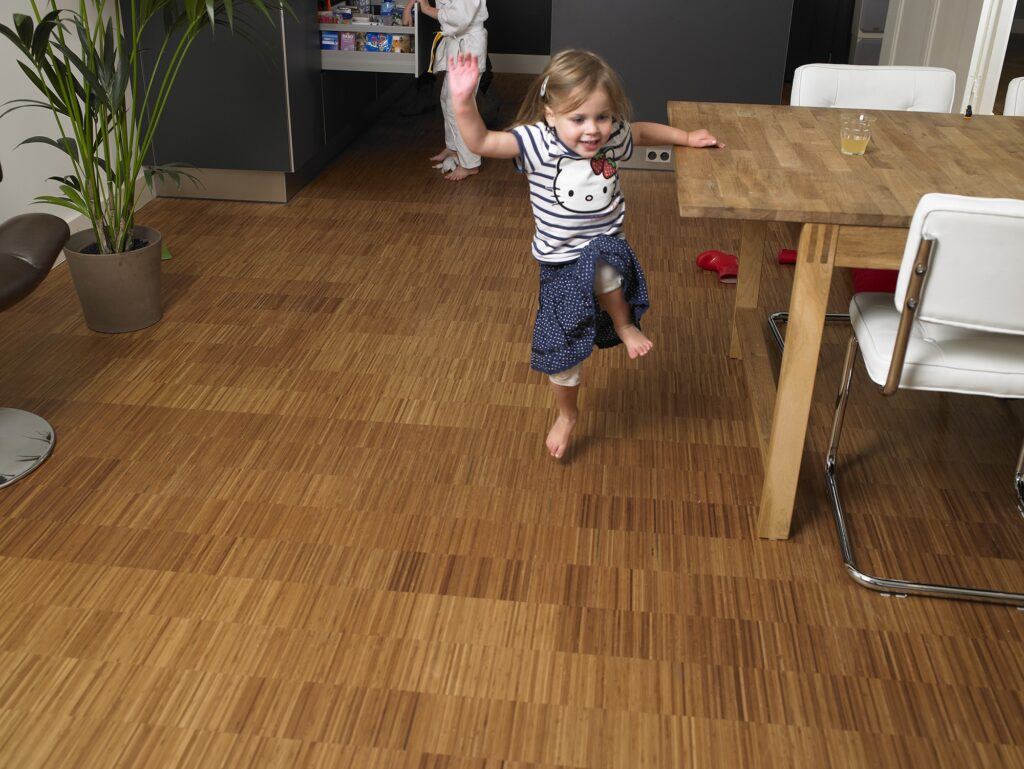
If you’re seeking for high-quality hard wood flooring or a good substitute, bamboo flooring is an excellent choice. Because it is strong and relatively scratch-resistant compared to other types of wood, that is why.

If you frequently feel horrible about felling a good tree to build flooring for your house, you shouldn’t feel so bad about bamboo. Bamboo can be utilized as flooring after only 3–4 years of full-size growth. Therefore, it takes less time to grow a nice full-grown bamboo than it does to establish a tree that may be used for flooring. As a result, bamboo presents an excellent ecological choice in a number of aspects.

Bamboo is incredibly versatile when it comes to decorating, so you may design your floor exactly how you envision it. Depending on how you intend to use it, you can lay it out on your floor either vertically or horizontally. There are further varieties of bamboo flooring, such as strand-woven and carbonized varieties, which come in a variety of hues and give your area an entirely new appearance.

The cost of bamboo flooring is high. In fact, it may cost as much as any hardwood flooring you choose because it is currently quite fashionable. Economically, it would not be significantly less expensive; it costs roughly $3 per square foot. However, considering all the benefits bamboo flooring offers, the price would be justified.

If you discover that bamboo flooring takes significantly less maintenance than hardwood floors, which you must routinely clean and polish to preserve their appearance, you may change your mind. Regular cleaning is necessary for a bamboo floor, just as it is for a home, but polishing is not necessary. Additionally, bamboo flooring can be installed as robustly as any other floor. One of the benefits of bamboo flooring is its durability.
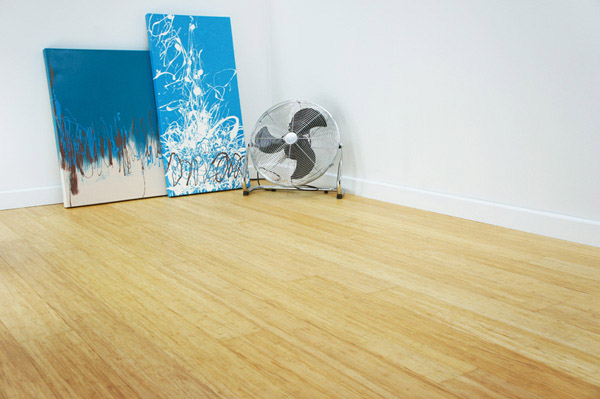
Benefits And Drawbacks of Bamboo Flooring

You have the opportunity to select your wood flooring, and you don’t want to squander it by choosing something unremarkable. So why not look at bamboo flooring?

Flooring made of bamboo is made of grass, not wood. Due to the rapid growth of bamboo, harvested bamboo is replaced far more quickly than harvested trees, ensuring that the manufacture of bamboo flooring has no negative environmental effects. Additionally, bamboo gives you the option of a flat or vertical grain.

The only disadvantage of this product is that it is typically only available in light “honey” hue or a darker amber shade that can be obtained when it is pressure steamed and carbonization takes place. However, carbonized bamboo flooring is 20% softer than untreated bamboo flooring. Bamboo flooring that has been factory-dyed or stained is an alternative that some manufacturers provide. Read details information about how to get scratches out of bamboo floors.

The Method

Cutting the collected hollow bamboo canes into strips, boiling them in a solution of water and preservative, pressing the softened strips flat, and using urea-based glue to shape them into laminated boards are the steps involved in turning bamboo into flooring. Surprisingly, bamboo is virtually as dent- and shrink-proof as oak, although being much lighter.

Because bamboo is not a true wood, it can be utilized in places where wood flooring cannot be installed because it is as hard as maple. It is suitable for locations with high usage since it is water, stain, and scratch resistant.

Finish vs. incomplete

There are two types of bamboo flooring: unfinished and finished. The edges of bamboo boards are squared when they are unfinished, making it possible for them to fit together almost flawlessly; the homeowner can then treat them with a protective stain or varnish to increase their durability.

Polyurethane is used to seal bamboo flooring with beveled edges. Its beveling gives the floor a plank-like appearance, and the polyurethane coating prevents stains from penetrating it.

The majority of the bamboo used in bamboo flooring comes from Hunan province in China, and the finished bamboo flooring that is marketed in the US is imported from a company in the Pacific Rim. However, it is widely accessible across the US.

Before purchasing bamboo flooring, consider these questions.

Depending on its length and width, as well as whether it has been finished, bamboo flooring can range in price from $3 to $8 per square foot. There are a few things you need to ask your flooring merchant if you’re thinking about it. Bamboo flooring must be taken from mature bamboo stands that are at least six years old in order to be dent-resistant. The bamboo stalk takes that long to acquire a woody texture.

As long as it is not created from the tip or base of the bamboo stalk, processed bamboo is really harder than oak. Find out if the flooring you choose is constructed using the bamboo stalk’s heart. Allow the bamboo flooring to acclimate to your home for about a week before installing it. The moisture content of your bamboo flooring should be between two and four percent less than that of your subfloor.

Design a site like this with WordPress.com
Get started